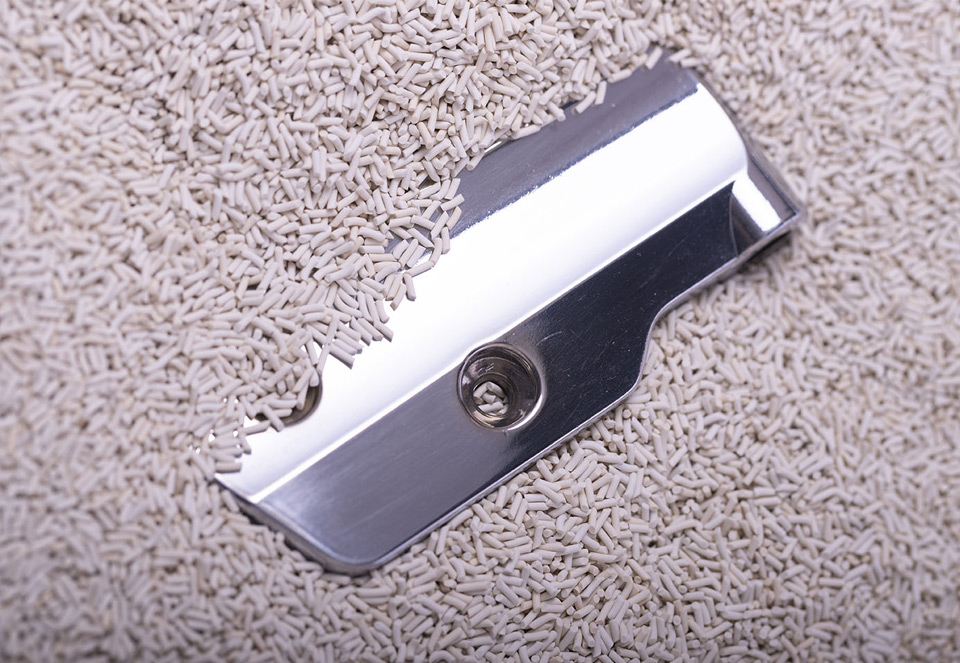
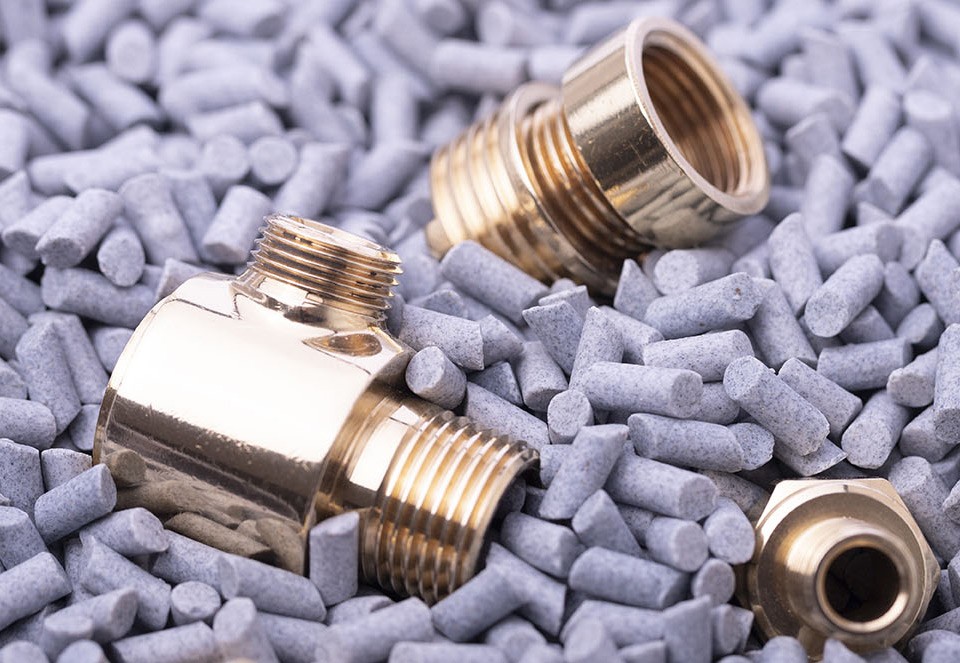
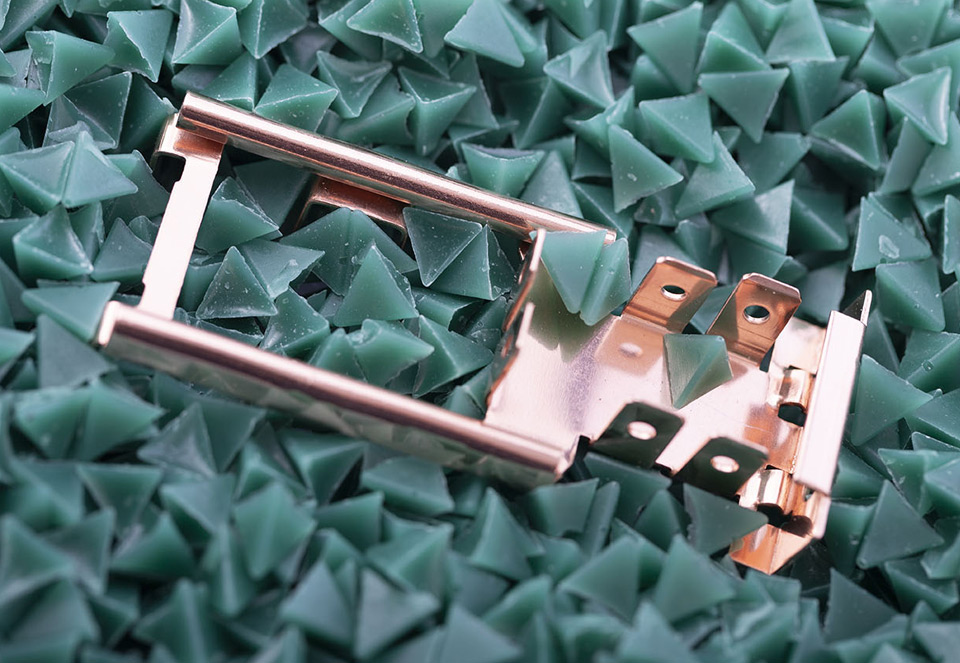
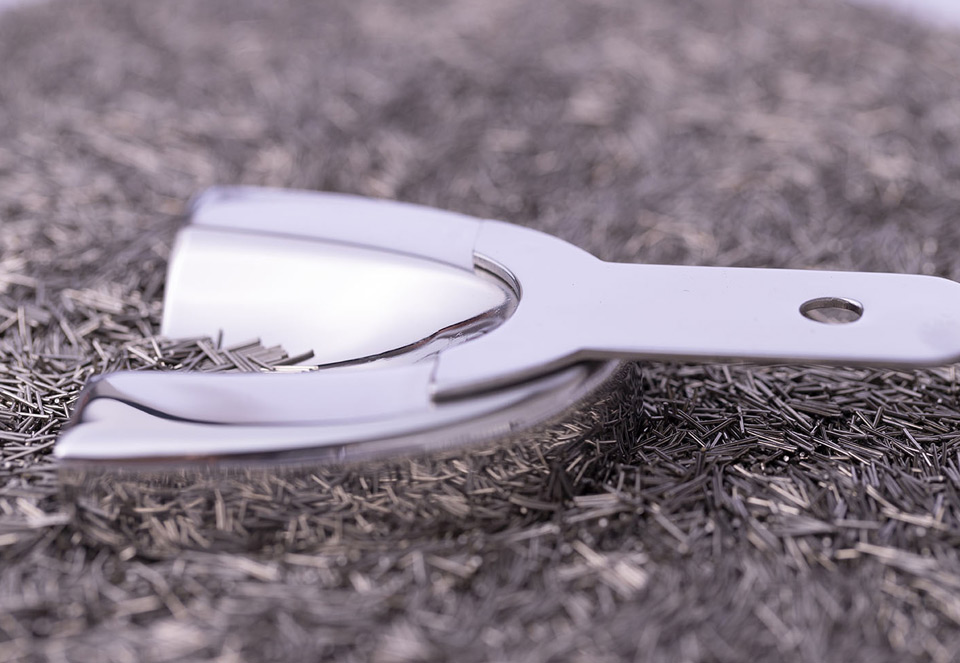
This process is a surface finishing operation used to remove unwanted burrs and roughness that form on the surfaces of metal, plastic, wood, and similar materials during production or after the manufacturing process. This operation is known as “deburring.”
Deburring is a term commonly used in the metalworking industry. It generally refers to the removal of excess, unwanted material particles or sharp edges formed on metal surfaces as a result of processes such as casting, rolling, cutting, and drilling. Burrs may consist of residual material from machining processes, oxides, surface irregularities, or sharp corners.
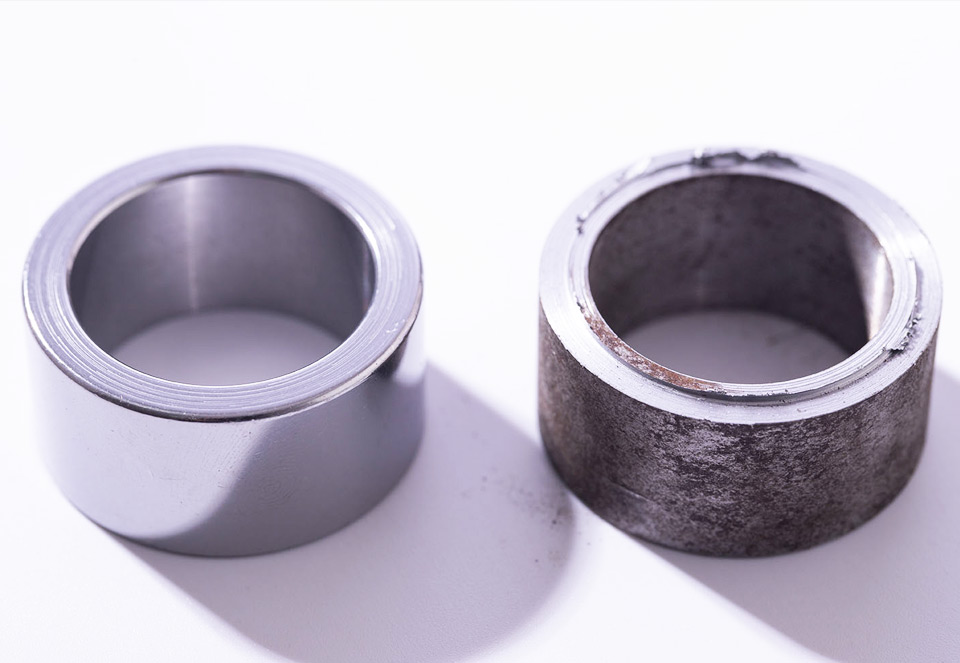
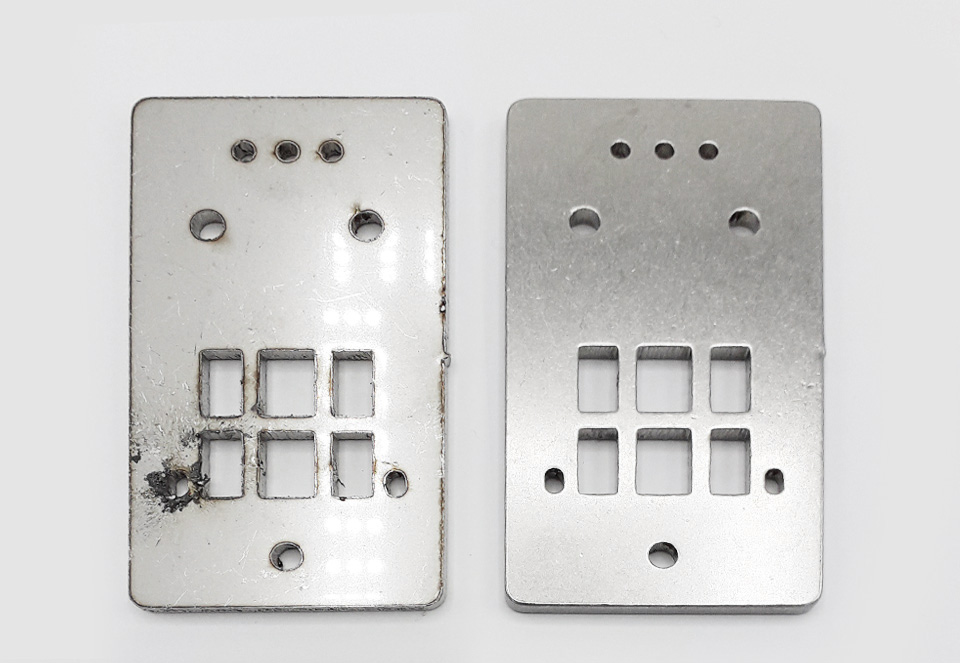
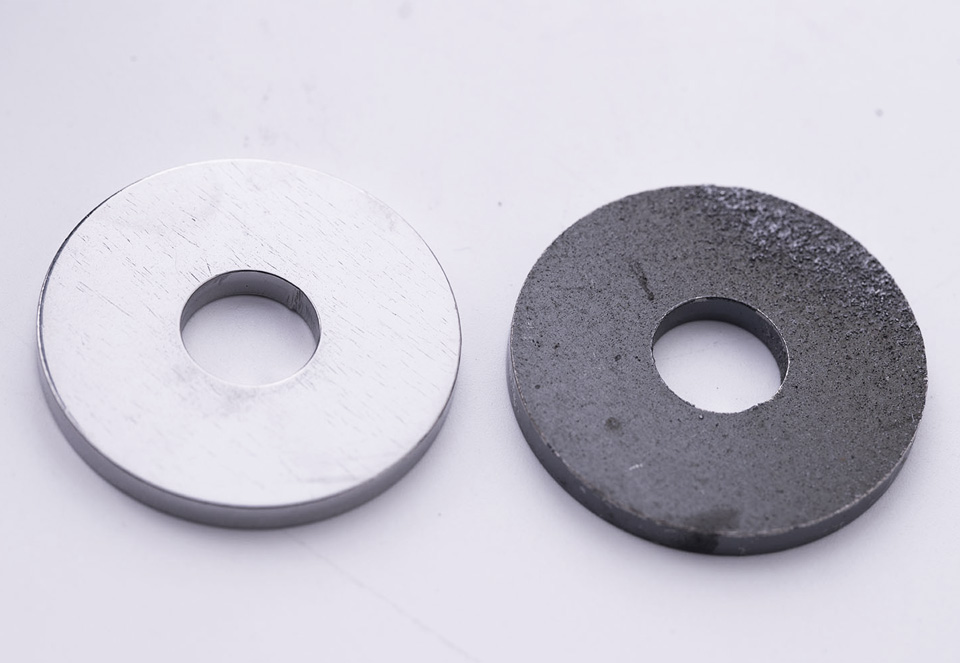
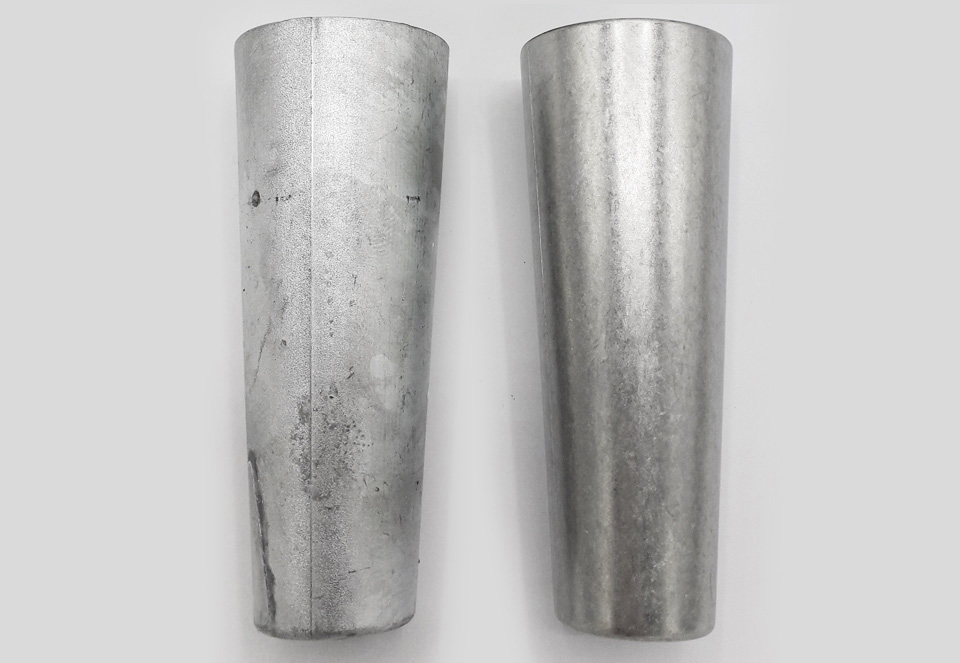
The deburring process is performed to improve product quality, facilitate the assembly of parts, and correct surface roughness. Removing burrs after any metalworking process can enhance the durability, appearance, and functionality of the final product.
During cutting operations, cutting burrs form along the edges of metal sheets, pipes, or profiles. These burrs are small residual edges created at the cutting points and are generally considered excess material that must be removed.
After welding, burrs may form along the weld seams of joined metal parts. Welding burrs are generally removed to achieve a smooth surface and improve the aesthetic appearance of the product.
During casting, casting burrs may form when the metal part is removed from the mould or during the casting process itself. These burrs can cover parts of the surface and are usually removed to ensure that the product meets the required specifications.
Deburring operations are generally carried out using various techniques, including mechanical methods, grinding, brushing, blasting, or chemical processes. These methods are applied to improve the appearance of metal products, increase their durability, and bring them within specified tolerances.
Deburring Tool
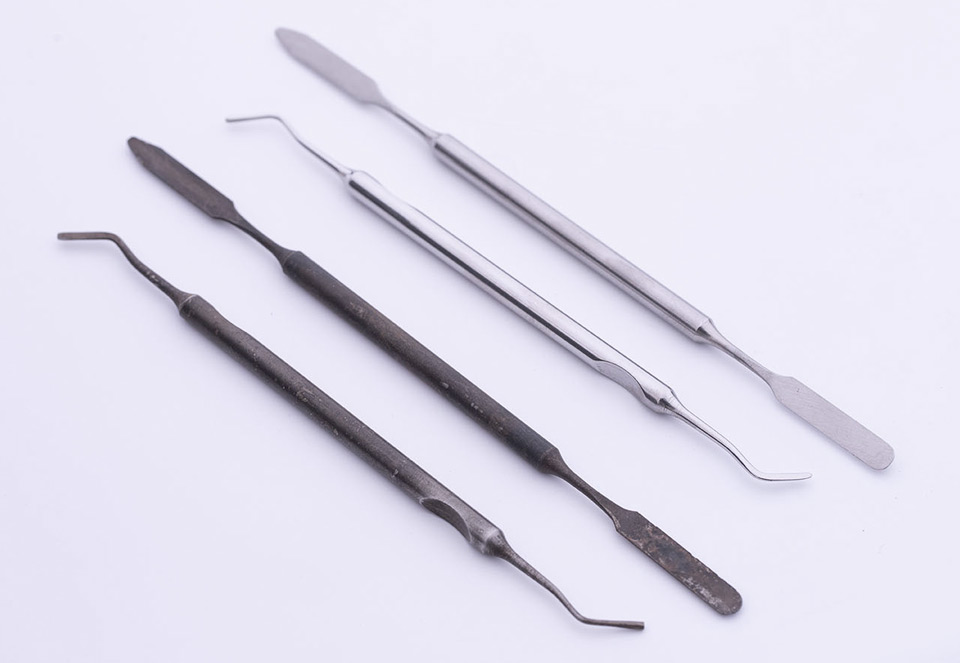
A deburring tool is used to remove rough areas and sharp edges that form on the surface of a workpiece during manufacturing processes. It is commonly preferred for eliminating imperfections that appear after machining metal, plastic, wood, and similar materials. This process helps ensure that workpieces can be used safely while also improving their visual quality.
Ergonomically designed handheld models stand out for their ease of use. Deburring tools that can be integrated into machinery also help increase production speed. Available in various types, these tools include bladed, abrasive, and carbide-tipped models selected according to the material being processed. Bladed tools remove sharp edges by scraping them away, while abrasive models smooth rough surfaces through controlled abrasion.
Used across many industries, including automotive, aerospace, furniture manufacturing, and plastic moulding, deburring tools help improve production quality. Their use is important for ensuring the smoothness, functionality, and safety of components. Carrying out the deburring process with the correct tool not only extends product life but also delivers a more professional finish.
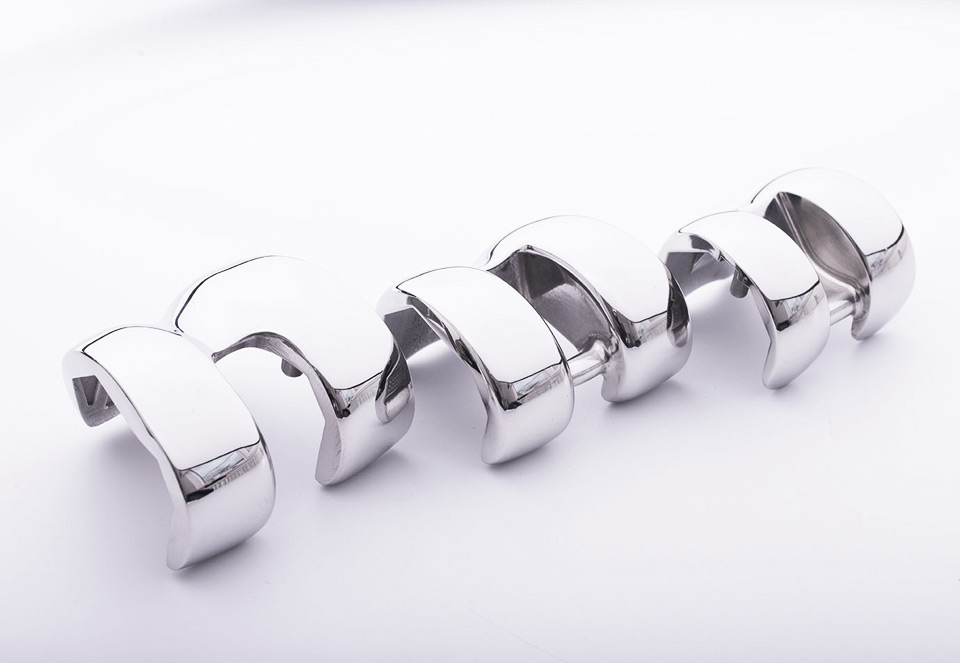
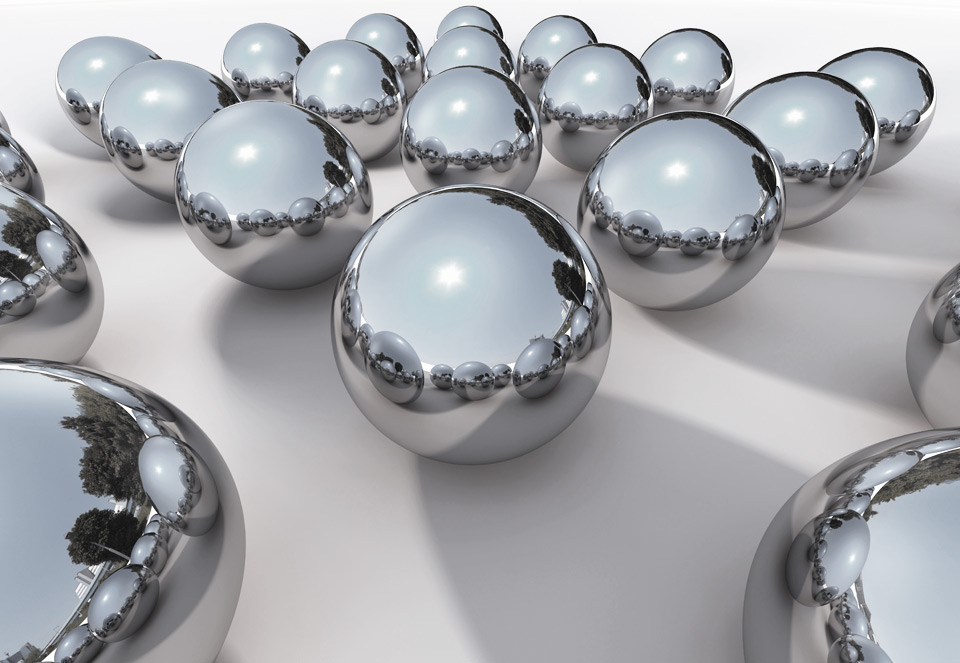
This surface finishing process is applied to improve the surface roughness of products made from metal, plastic, and similar materials at the micron level, creating a bright finish. The process produces smooth and highly polished surfaces.
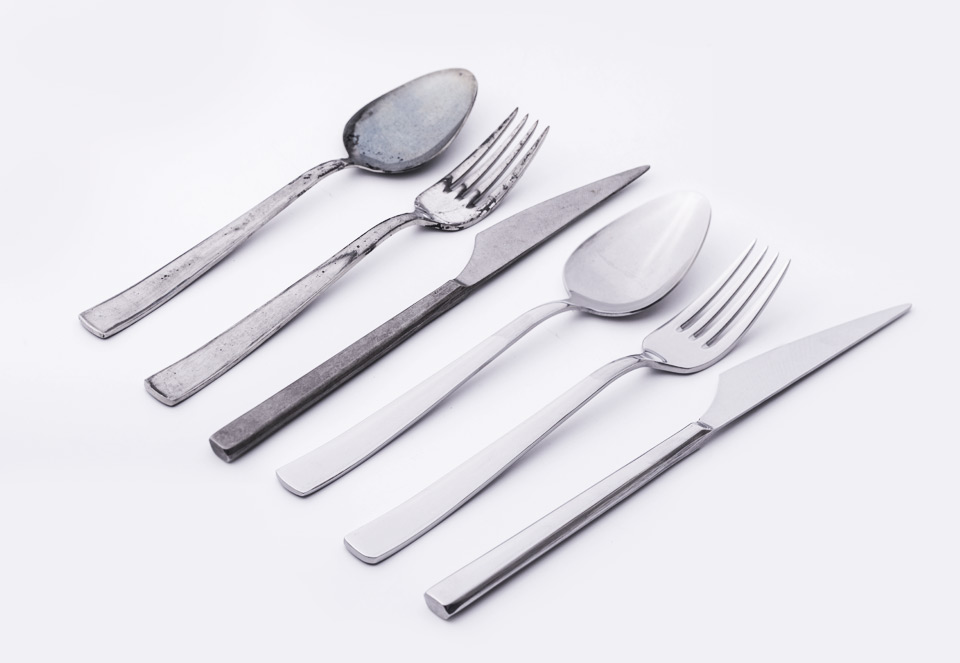
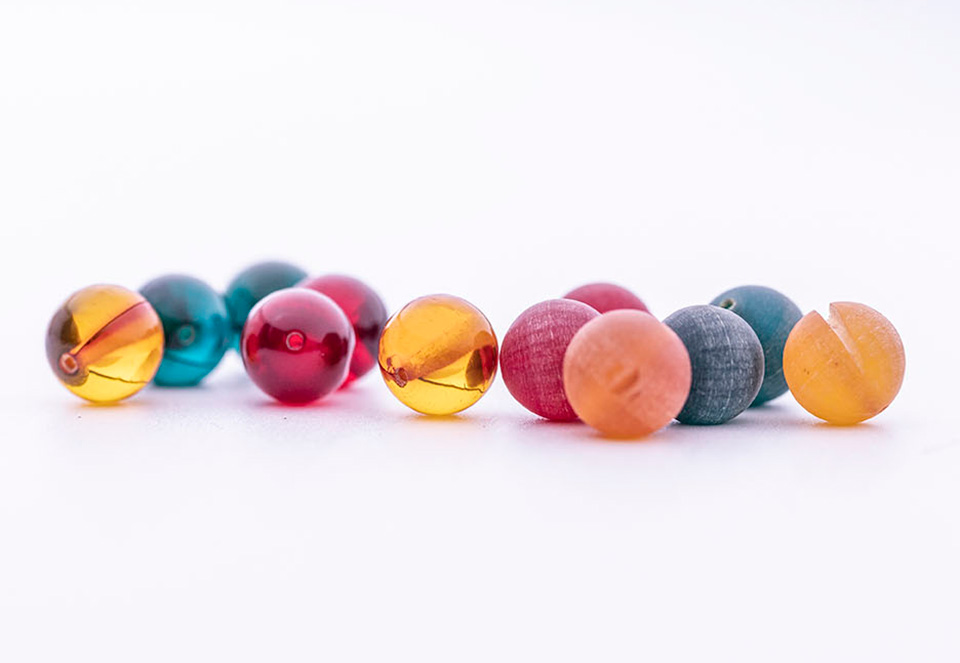
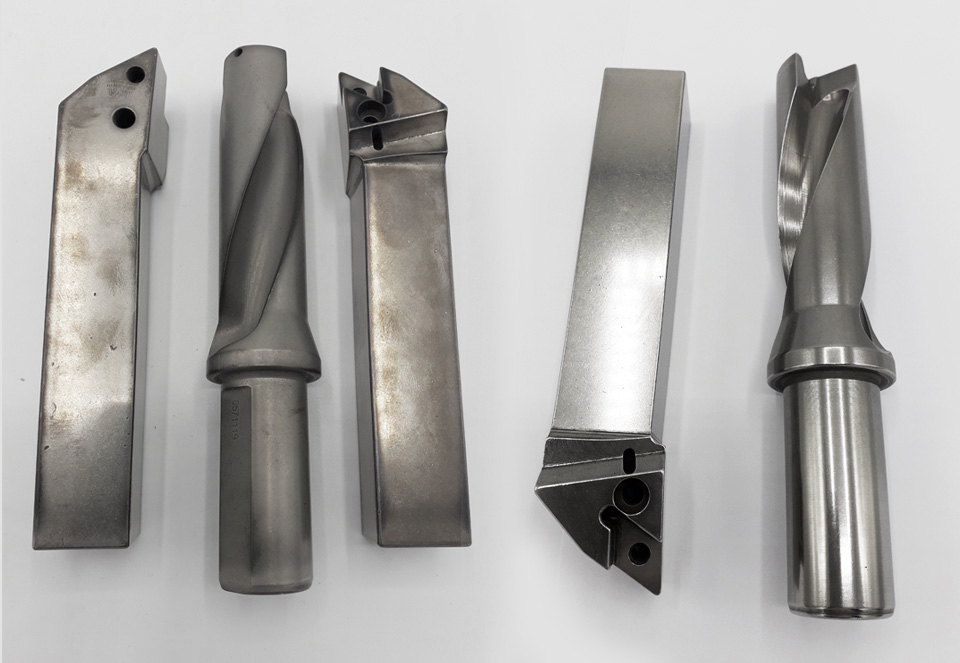
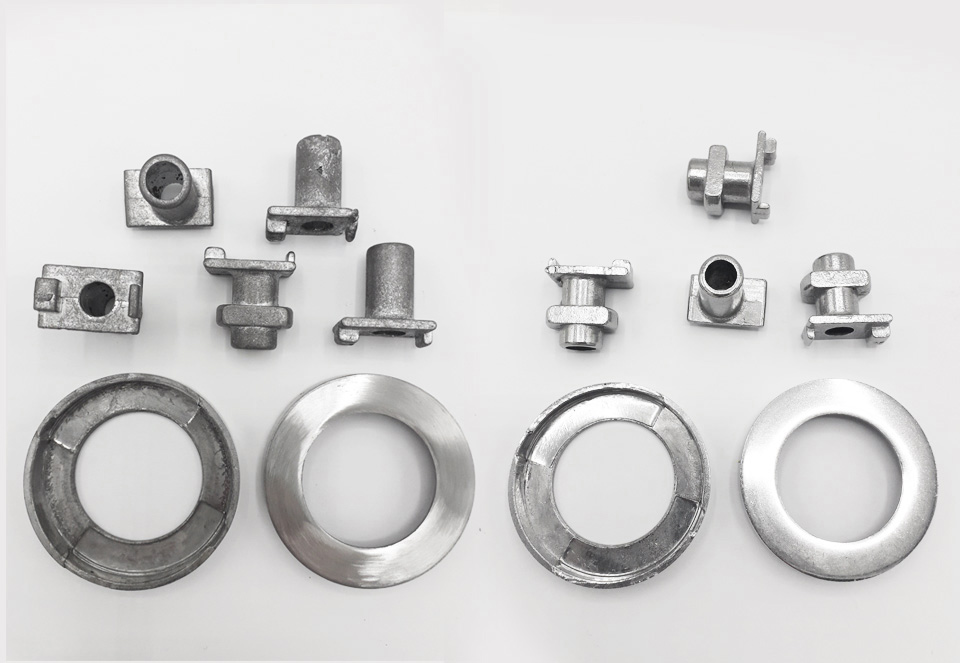
This process is a surface finishing operation used particularly to remove dust and dirt layers from the surfaces of metal-, plastic-, and wood-based components. It produces clean surfaces that are suitable for subsequent processes such as coating and secondary operations.
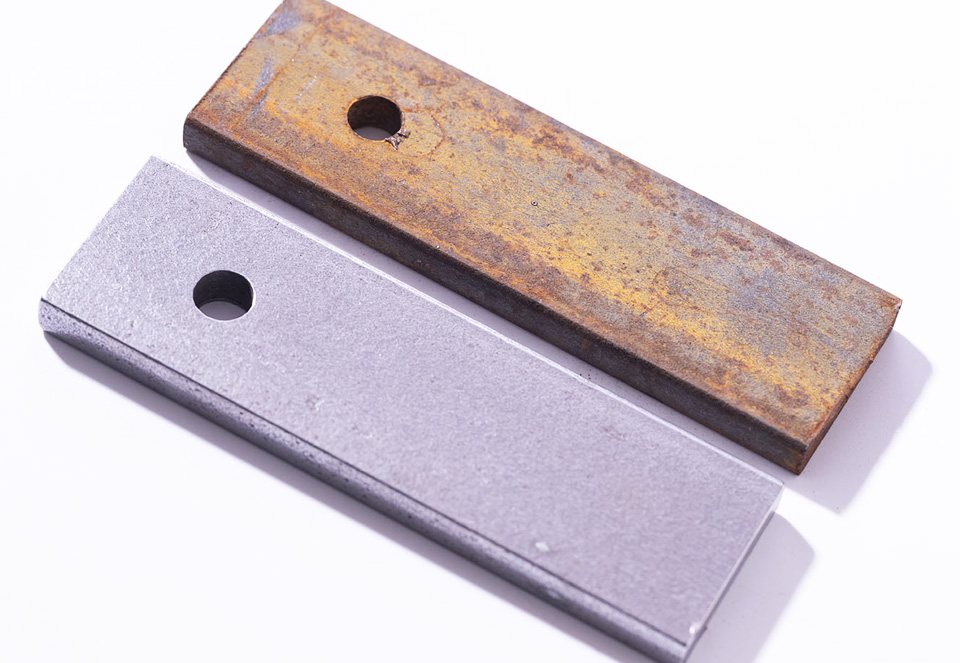
The descaling/degreasing process is a surface finishing operation used particularly to remove unwanted oil and dirt residues left on metal components after pressing or machining processes. It can also be used to remove rust layers that form on metal parts exposed to oxidation-prone and unprotected environments.
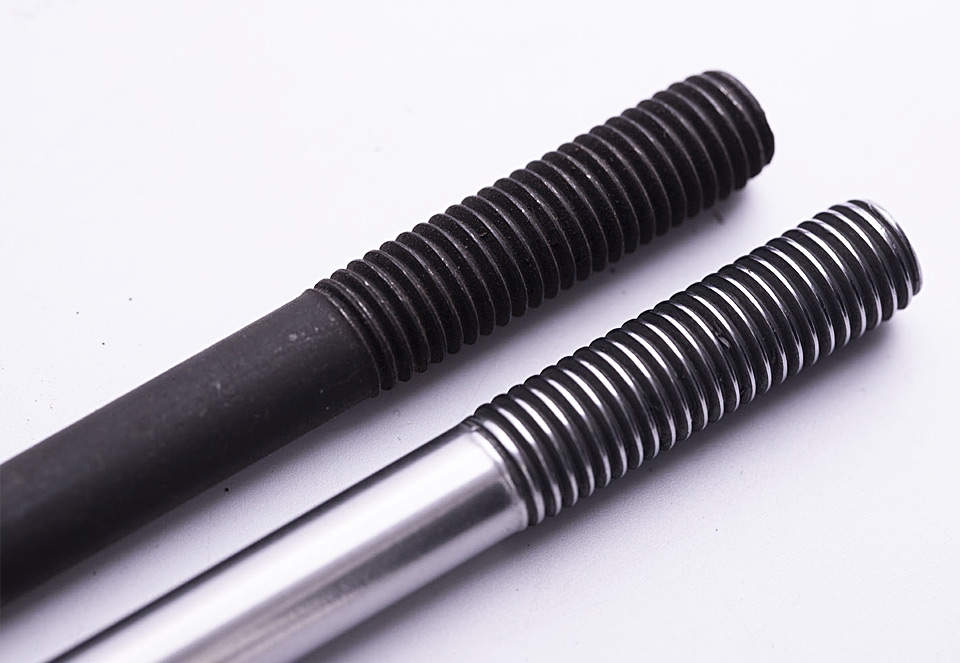
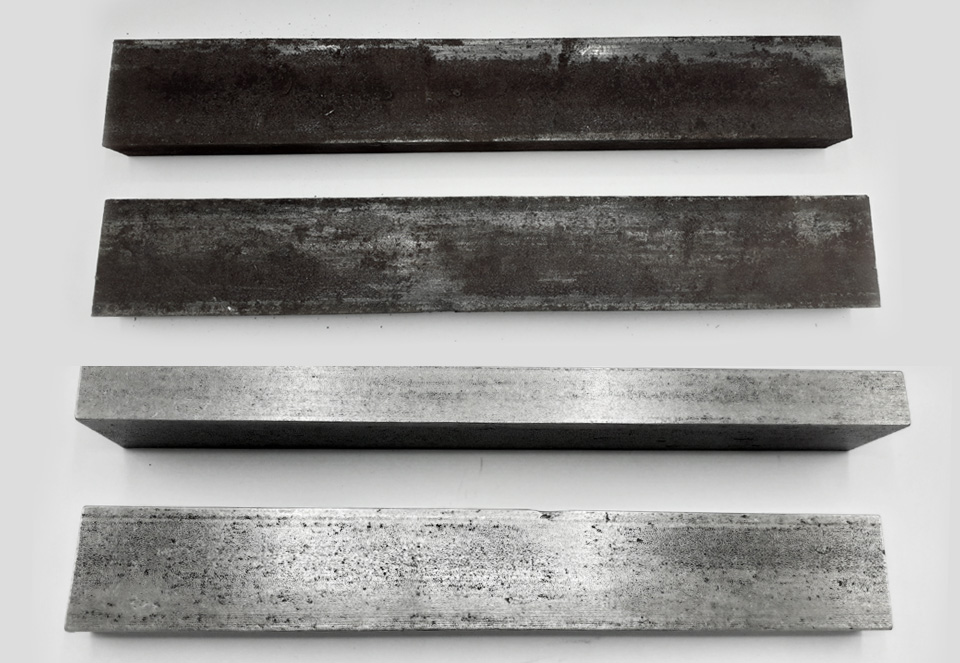
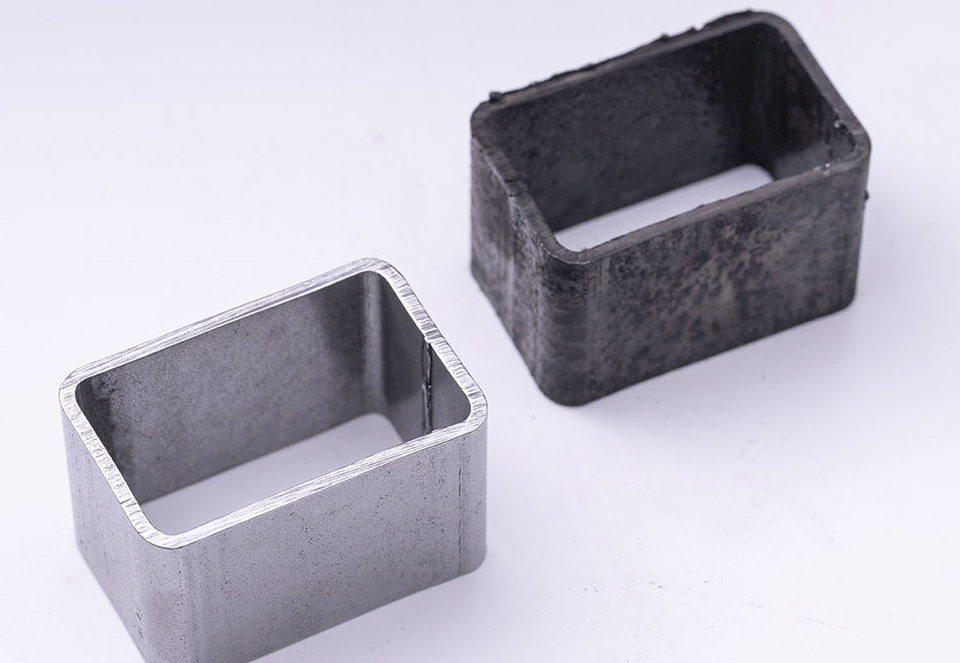
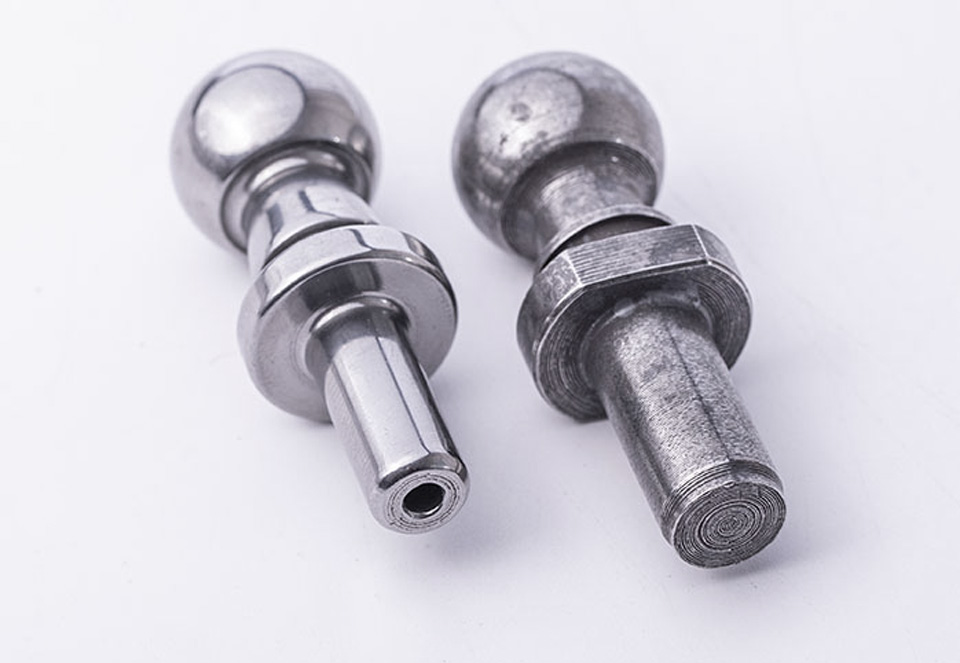
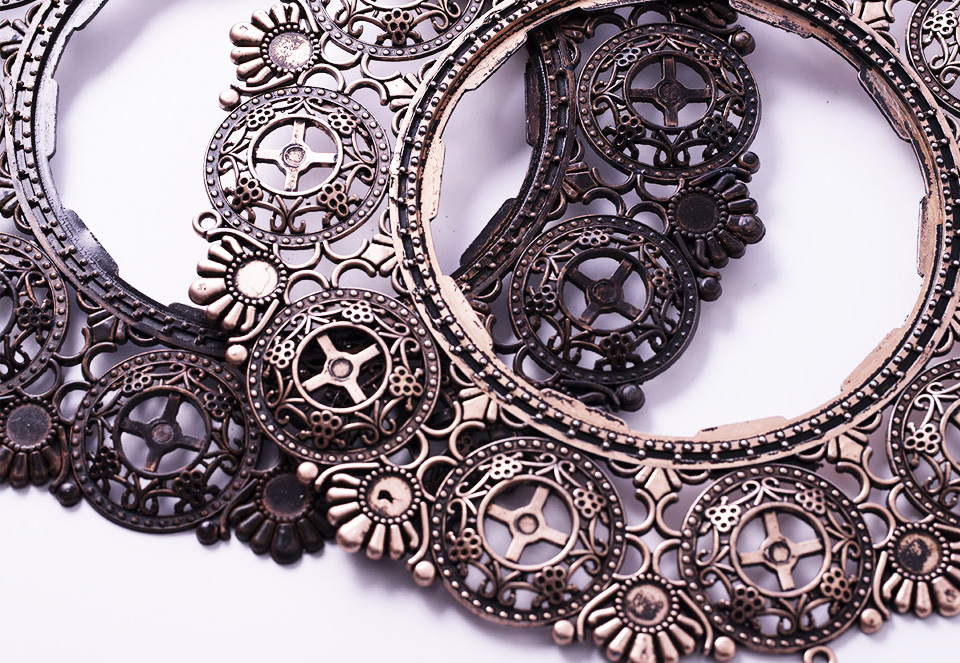
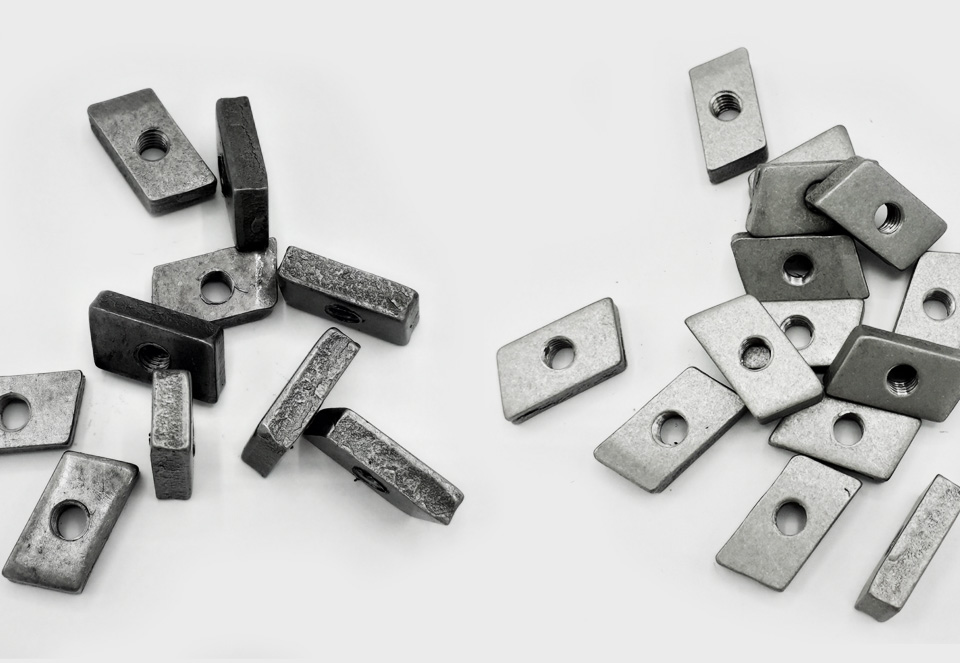
This is a surface finishing process applied to round off and smooth sharp edges and corners formed on metal, plastic, wood, and similar components due to manufacturing technologies or machining methods.
Through processes developed by Kromaş, authentic 2,000-year-old antique appearances and effects can be reproduced with remarkable accuracy. Our specially developed processes for products such as columns, paving stones, wall stones, marble sinks, and sculptures are successfully used throughout the industry.
With its stone-ageing systems, Kromaş aims to help businesses achieve maximum production at minimum cost while providing customers with significant competitive advantages.
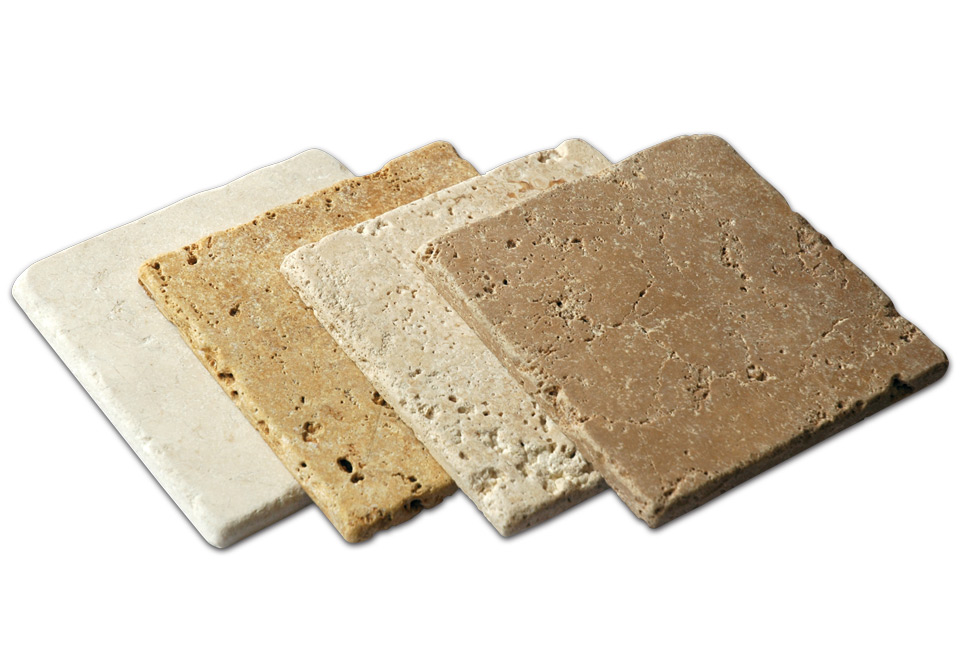
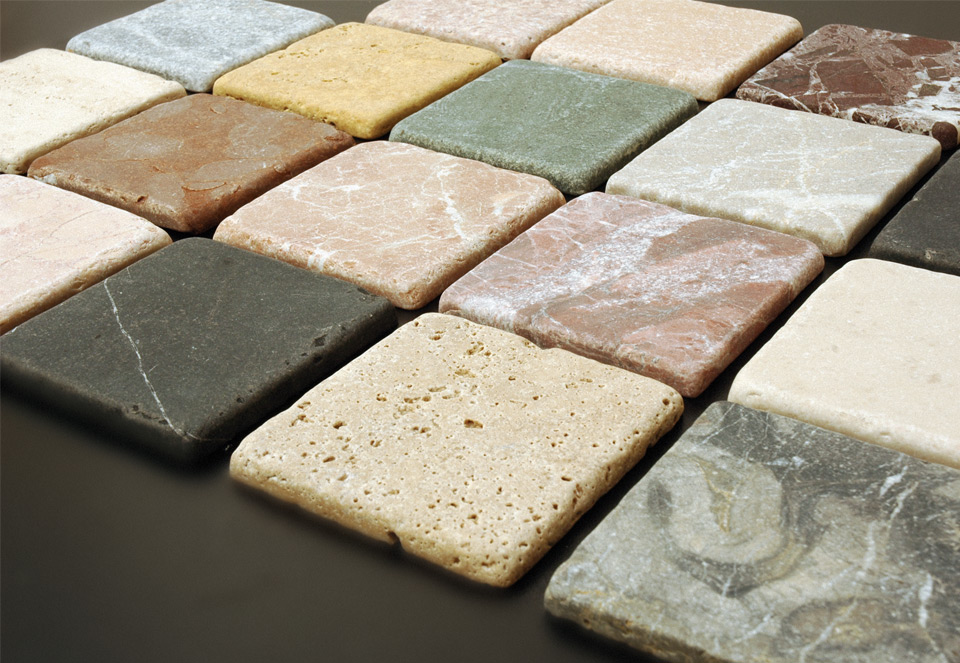
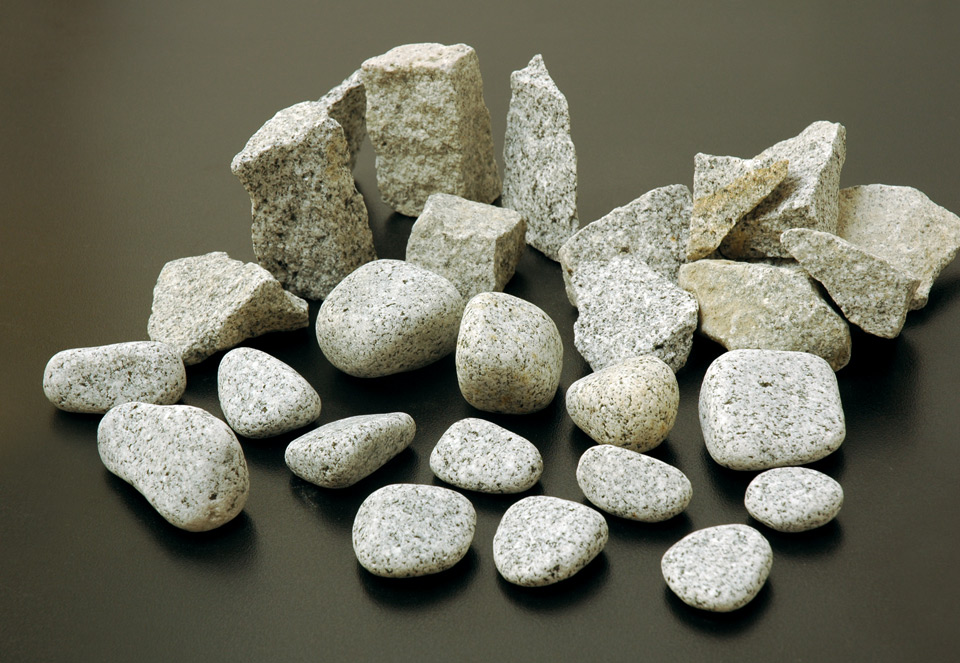
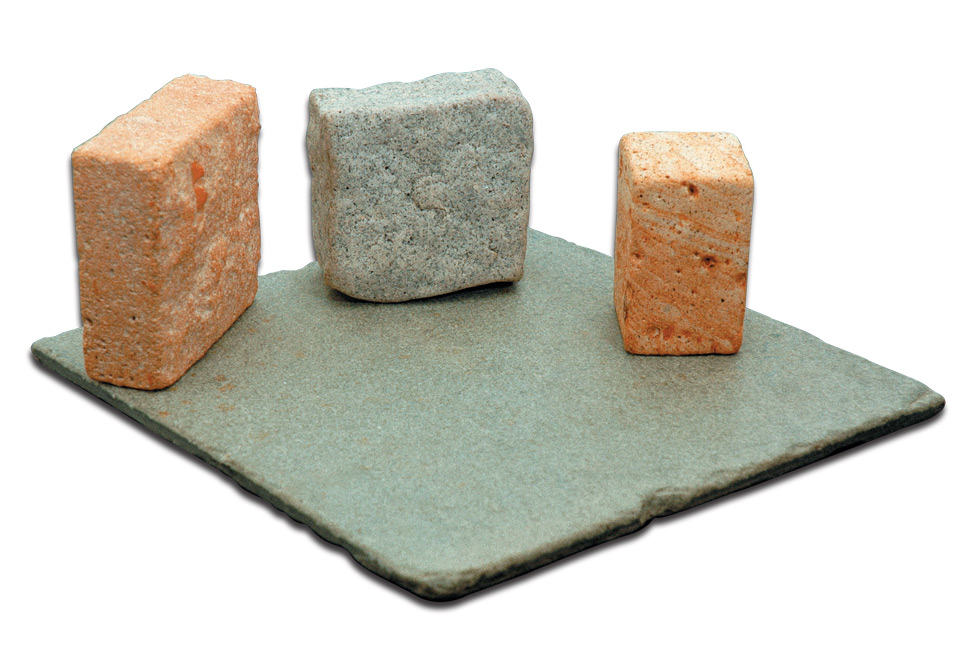
The Krom-X® processes developed by Kromaş complement our other processes, eliminating the need for polishing while elevating surface quality to a higher level.
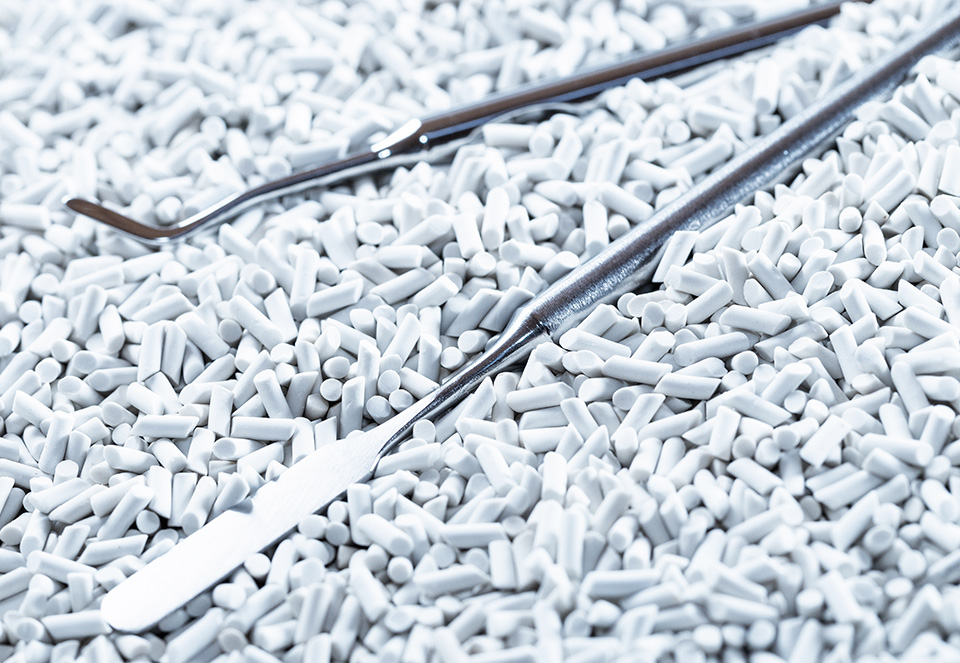
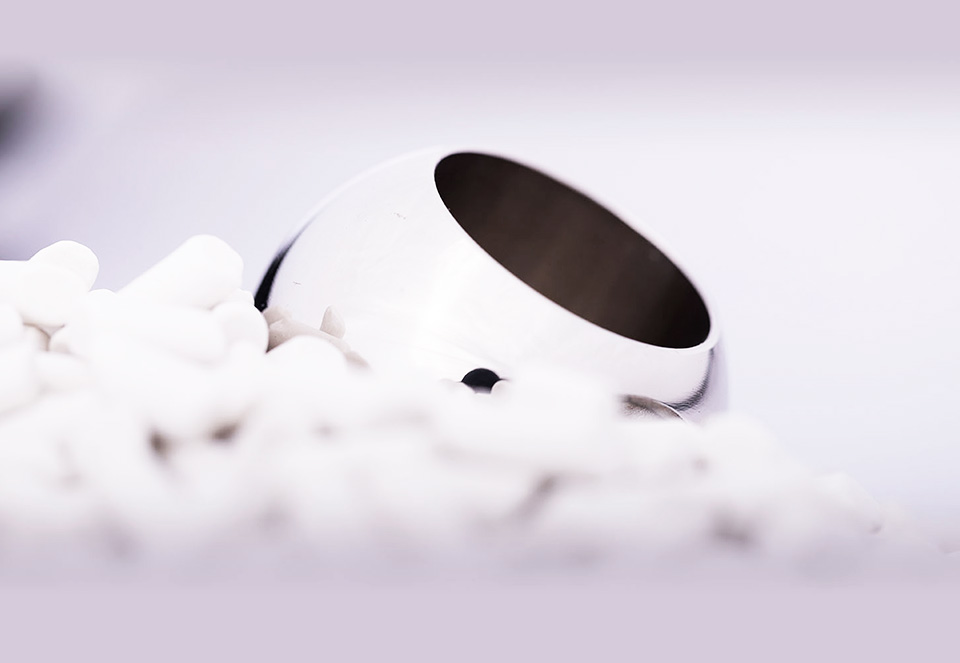
In addition to the main processes mentioned above, we help our customers achieve their desired surface quality through a wide range of process solutions, including corrosion removal, surface smoothing, drying, surface roughening, superfinishing, wastewater treatment, and many others.