
Kromaş Additive Manufacturing Surface Finishing Technologies
Additive Manufacturing
Additive Manufacturing is regarded as the production technology of the future across many industries. It enables the rapid production of complex and/or customised components without the need for expensive tooling, while allowing complex functions to be integrated with ease.
AM Solutions, a brand of the Rösler Group, offers unique and flexible solutions covering the entire process for innovative and optimised manufacturing applications. With numerous advantages such as speed, design freedom, low cost, material savings, and on-demand production, it is widely preferred for the surface finishing of metal and plastic products across many industries.
What Is Additive Manufacturing?
Additive manufacturing is a production method in which objects are created layer by layer based on a three-dimensional digital model. It is also known as “3D Printing” or “Additive Manufacturing.” Unlike conventional production methods, additive manufacturing builds an object by adding material in successive layers, providing greater design freedom and enabling the production of more complex geometries.
This method generally involves the following stages:
Modelling and Design: A digital 3D model of the object to be manufactured is designed or created, typically using computer-aided design (CAD) software.
Data Preparation: The design model is prepared for manufacturing. It is divided into layers, and the required production codes are generated for each layer. These codes determine how the 3D printer will move and deposit the material.
Production: The prepared production codes are executed layer by layer by the 3D printer. The material may be supplied in powder, liquid, or wire form, and the layers are joined using thermal or chemical methods.
Cooling or Curing: As the material layers are added, they may need to cool or harden. This allows the material to achieve the required hardness, strength, and other properties.
Post-Processing: Once manufacturing is complete, the produced object may undergo additional operations such as surface finishing, painting, assembly, or other secondary processes.
Additive manufacturing is used across many industries because of its advantages in design freedom, prototyping, customised production, and the creation of complex geometries. Interest in this technology continues to grow in fields such as automotive, aerospace, healthcare, defence, consumer products, and education.
Additive Manufacturing
Additive manufacturing is a production method in which three-dimensional objects are physically created layer by layer from digital designs. The process involves adding material in successive layers to build the object, increasing design freedom and simplifying the production of complex geometries. It is also referred to as 3D printing.
Additive manufacturing is used across many industries due to advantages such as rapid prototyping, customised production, complex geometry manufacturing, and design flexibility. It has had a significant impact in sectors including automotive, aerospace, healthcare, fashion, consumer products, and education.
What Are the Advantages of Additive Manufacturing?
Some of the advantages of additive manufacturing include:
Less Waste: Additive manufacturing applies material only where it is needed within the product. This significantly reduces material waste compared with conventional machining methods.
Rapid Prototyping: It enables product prototypes to be produced quickly and cost-effectively. This accelerates the design process and supports faster product development.
Customisation: Additive manufacturing methods such as 3D printing make it possible to customise each product. This creates major opportunities for producing solutions tailored to individual consumers or industrial users.
Complexity and Flexibility: Additive manufacturing enables complex geometries and hollow structures to be produced with ease. This allows lighter, more efficient products to be designed.
Reduced Costs: Simplifying the production process can reduce labour and energy costs. Inventory costs may also be reduced because products can be manufactured on demand.
Localised and Distributed Production: Additive manufacturing allows products to be manufactured closer to where they are needed. This may reduce logistics and transportation costs while simplifying the supply chain.
Lighter and More Efficient Products: Greater design freedom makes it possible to create lighter and more efficient products. This is particularly important for fuel savings and energy efficiency in aircraft, automobiles, and other vehicles.
Sustainability: Additive manufacturing offers sustainability potential by using less material and enabling local production. This can help conserve natural resources and reduce waste generation.
Faster Production: Additive manufacturing has the potential to deliver faster results than conventional production methods. Since products are built layer by layer, the production process may be quicker depending on the level of complexity.
What Are the Additive Manufacturing Methods?
There are several different additive manufacturing methods, each suited to different materials, applications, and requirements. Some of the main methods include:
Fused Deposition Modelling (FDM): FDM is one of the most widely used additive manufacturing methods. A thermoplastic filament is melted in a heated nozzle and deposited in controlled layers onto the build platform or on top of the previous layer.
Stereolithography (SLA): SLA creates product layers using a light-sensitive resin. A UV laser or similar light source cures and hardens the liquid resin layer by layer.
Selective Laser Sintering (SLS): SLS uses a laser to heat and sinter layers of powdered material. This method can be used with various materials, including metals, plastics, and ceramics.
Electron Beam Melting (EBM): EBM uses an electron beam to melt powdered material. It is primarily used for the production of metal components.
Laminated Object Manufacturing (LOM): LOM builds products using layers of paper, film, or similar sheet material supplied from a roll. Each layer is shaped using a laser or a blade-like cutting tool.
Binder Jetting: This method uses a binding agent to join thin layers of powdered material. Each layer is bonded before the next layer is added.
Material Extrusion: In this method, layers are formed using a material filament or granules. It is commonly used with thermoplastics and is also applied in food-related 3D printing applications.
Directed Energy Deposition (DED): DED uses an energy source, usually a laser or electric arc, to deposit powder or wire material onto a workpiece. This method is often used for manufacturing large components or carrying out repairs.
Each additive manufacturing method offers specific advantages for particular applications and requirements. The most suitable method is selected according to factors such as production needs, material type, workpiece complexity, and the required quality of the final result.
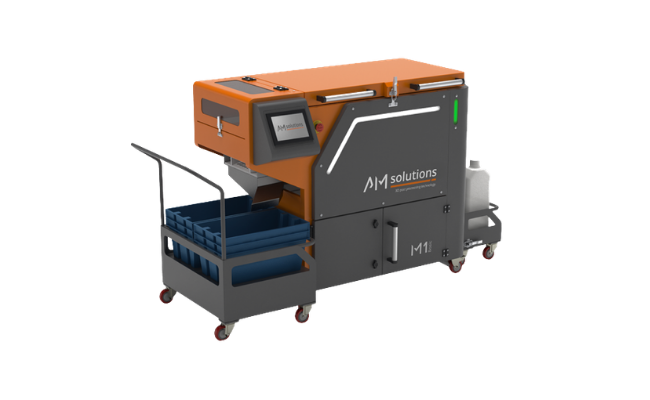
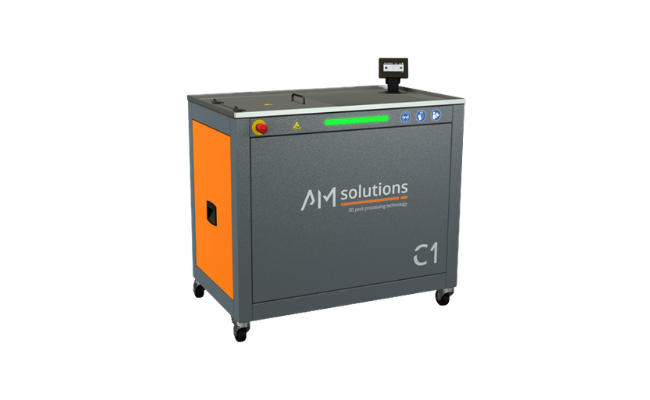
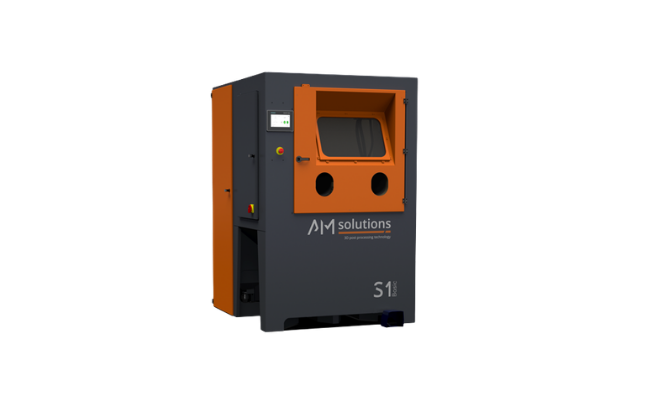
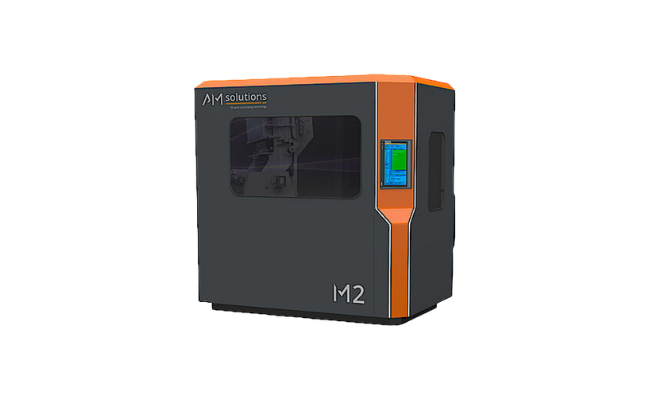
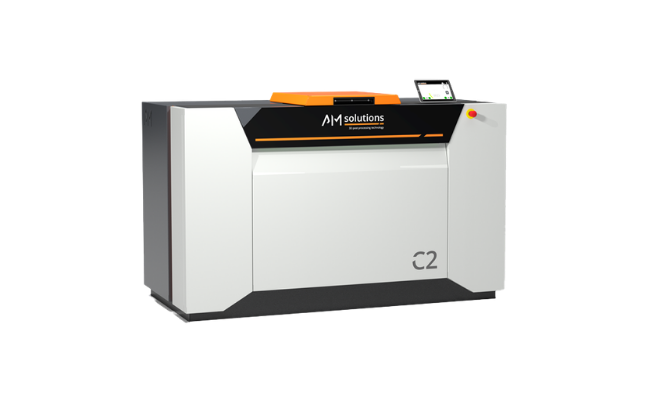
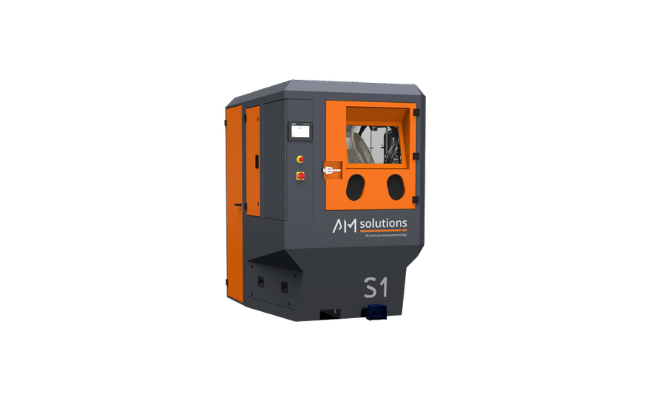
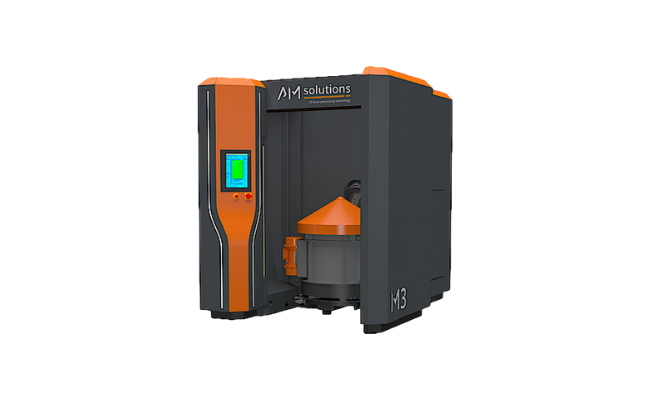
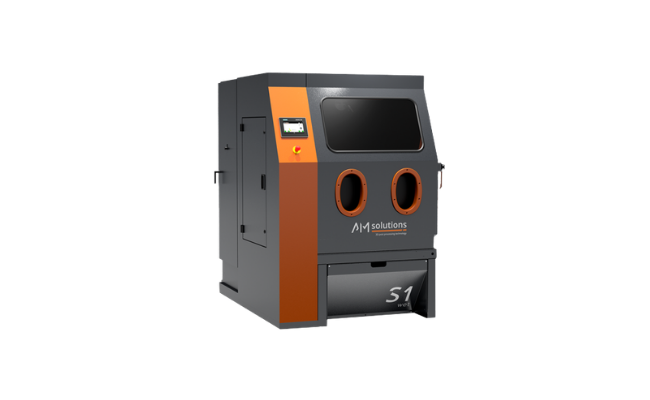
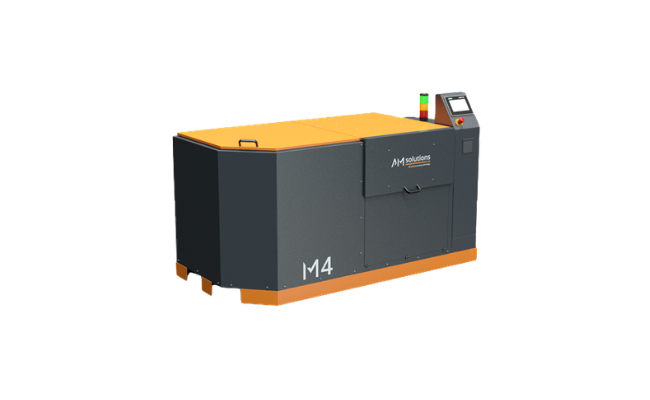
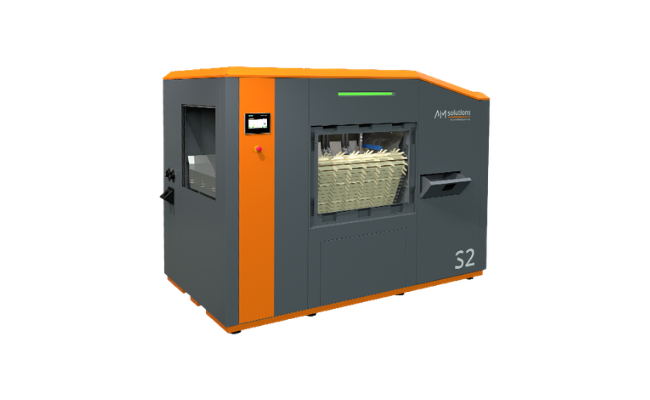
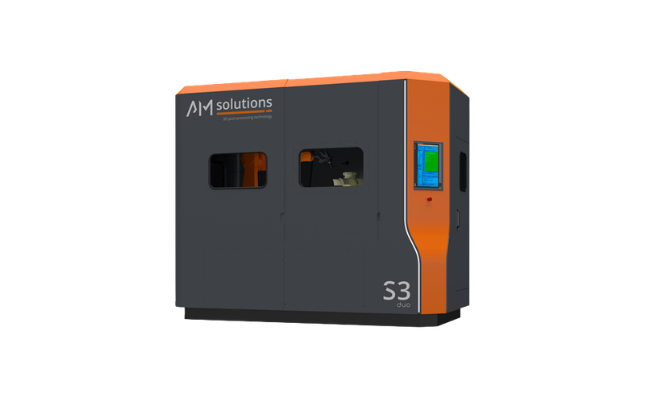
Additive Manufacturing: A manufacturing method in which metal or plastic raw materials are deposited layer by layer under heat through nozzle movements along three axes.
Additive Production: A manufacturing method in which metal or plastic raw materials are deposited layer by layer under heat through nozzle movements along three axes.
Layer-by-Layer Manufacturing: A manufacturing method performed through positive movement along the Z-axis.
Surface Quality: The mathematical values representing the degree of surface roughness on metals, plastics, and non-metallic materials.
Ra Surface Roughness: A mathematical measure of surface roughness. It represents the arithmetic average of the peaks and valleys on a surface.
Rz Surface Roughness: A mathematical measure of surface roughness. It represents the average value calculated from five surface peaks and five surface valleys.
Layered Manufacturing: A manufacturing method performed through positive movement along the Z-axis.
Post-Processing: All operations carried out after 3D printing to improve the surface roughness of parts, including heat treatment and painting.
Secondary Operations: All operations carried out after 3D printing to improve the surface roughness of parts, including heat treatment and painting.
One of the most important characteristics of all manufacturing methods is surface quality. AM Solutions technologies improve the surface quality of metal and plastic 3D-printed parts. A component that leaves production with poor surface quality may cause problems during assembly or in its final operating environment. Surface quality can be improved for all material types through post-processing. With AM Solutions technologies, surface quality can be made measurable and brought into full compliance with specified requirements.
In component manufacturing methods, surface roughness is defined using Ra or Rz values. Lower Ra or Rz values indicate higher surface quality. Today, layered manufacturing is rapidly gaining importance in the production of metal and plastic components. Designers are increasingly developing and implementing solutions based on the characteristics of layered manufacturing. Companies using layered manufacturing instead of conventional methods inevitably require post-processing and secondary operations.
Layered manufacturing processes for metal materials have developed rapidly. In previous years, layered-manufactured components were mainly used for prototype applications, whereas today they are increasingly used as functional end-use components.
Related Topics
- Ra Surface Roughness
- Rz Surface Roughness
- Additive Manufacturing
- Layer-by-Layer Manufacturing
- 3D Printing
- Surface Quality
- Additive Manufacturing Technologies
As metal and plastic components produced through layered manufacturing are increasingly used as final parts, post-processing has become an essential part of the overall production process. Improving the surface quality of metal or plastic parts after they have been manufactured by any method is referred to as post-processing or secondary processing.
In Türkiye, the closest surface-finishing equivalent of AM Solutions technologies is generally referred to as post-processing or secondary processing. Painting, heat treatment, vibratory surface finishing, and blasting operations are collectively classified as post-processing or secondary operations.